
Why Whisky Casks Are Emerging as a Modern Alternative Asset
In a world where markets move faster than ever and headlines change by the hour, many investors are looking for something a little different—something tangible, steady, and grounded in real value. That search has brought…
By Jura Capital
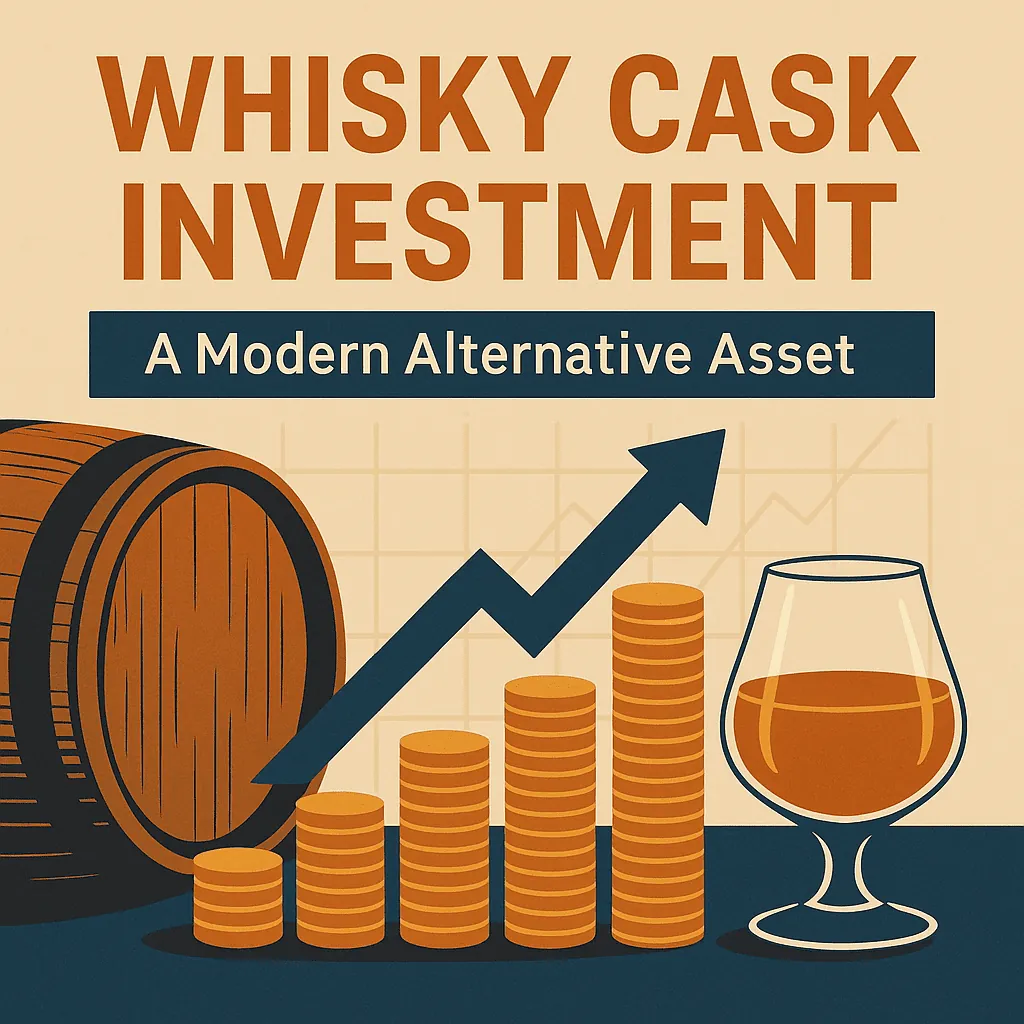
In a world where markets move faster than ever and headlines change by the hour, many investors are looking for something a little different—something tangible, steady, and grounded in real value. That search has brought increasing attention to an unexpected but fascinating area: Scottish whisky casks.
Once the quiet domain of distilleries and industry insiders, cask ownership is now being recognised as a legitimate alternative asset, especially among people looking for ways to diversify beyond stocks, property, and traditional investments. But why now? And what makes whisky casks so intriguing for modern portfolios?
Let’s break it down in simple, practical terms.
A Tangible Asset in an Intangible World
Most investments today exist on screens - digital numbers that can rise or fall in seconds. A whisky cask is different. It’s physical, it’s stored safely in a regulated warehouse, and you can visit it, touch it portfolio diversification, and track its progress as it matures.
This “realness” appeals to many investors who want to own something with substance. You’re not just buying a financial product—you’re owning a living, breathing asset that improves in quality and scarcity over time.
Why Whisky Casks Are Attracting Attention
1. Growth That Comes Naturally
One of the most unique qualities of whisky is that it doesn’t stay the same. As it matures in the cask, its flavour deepens, its character develops, and its value tends to rise. Time does most of the hard work.
Unlike many assets that depend heavily on market cycles, whisky has a built-in value curve: the longer it matures, the more desirable it becomes.
2. Rising Global Demand
The world’s appetite for premium whisky—particularly Scotch—has never been stronger. Markets in Asia, the U.S., and Europe continue to expand as consumers seek high-quality, aged spirits. This growing demand supports long-term pricing and gives cask owners confidence that a well-aged product will have a waiting audience.
3. Low Correlation to Stock Markets
When stock markets jump around, whisky casks continue to mature quietly in the background. They aren’t influenced by interest-rate decisions or political surprises the same way financial markets are.
This makes whisky a useful diversification tool—something that doesn’t move in lockstep with your other investments.
But It’s Not a Get-Rich-Quick Scheme
As attractive as whisky casks can be, it’s important to be realistic.
- They are not liquid assets. You can’t sell a cask instantly like a share or a bond.
- You need patience. Whisky matures over years, often decades.
- Quality matters. Not all casks are created equal—distillery reputation, cask type, and storage conditions all influence long-term value.
This is why working with a trusted, transparent partner is essential.
How Whisky Fits Into a Modern Portfolio
Think of whisky casks as a steady anchor—a long-term, tangible investment that balances the faster-moving parts of your portfolio.
They appeal to modern investors for several reasons:
- For diversification: They help smooth out volatility.
- For inflation protection: Aged whisky tends to retain and grow value even when costs rise elsewhere.
- For long-term planning: Perfect for those thinking beyond short-term cycles.
Cask ownership also has something that many financial investments lack: a story. There’s heritage, craftsmanship, and culture built into each barrel—making it not only a financial asset but a passion asset too.
Why More People Are Considering Cask Ownership Now
The shift toward alternative assets isn’t a fad—it’s a response to real concerns:
- Stock markets feel unpredictable
- Traditional savings struggle to keep pace with inflation
- People want investments that feel grounded, authentic, and stable
Whisky casks tick all of those boxes while offering something rare in the investing world: the chance to own an asset that literally gets better with age.
Summary
Whisky casks aren’t for everyone. They require patience, care, and a long-term mindset. But for investors looking to add something truly unique to their portfolio—something tangible, globally in demand, and naturally appreciating—they offer a compelling opportunity.
In a financial landscape full of noise and short-term thinking, whisky cask ownership stands out as an investment rooted in time, craft, and enduring value.